3 Crowdsourced Security Myths Are Holding You Back

Crowdsourced security is championed by forward-thinking CISOs globally. A mix of methods like bug bounties, vulnerability disclosure programs (VDPs), and third-party pentesting extends the visibility of security teams.
Yet, myths and misconceptions still prevent some organizations from leveraging crowdsourced security to its full potential, denying them the opportunity to uncover hidden vulnerabilities. Understanding the realities of crowdsourced security can be the key to taking your organization's security posture to the next level.
Myth #1: "Hackers Are Risky"
Reality: Properly managed and vetted security researchers are your strongest allies.
It’s natural to be cautious about opening your systems to external researchers. But the reality is, on platforms like HackerOne, each researcher follows strict ethical guidelines. They operate within clear program scopes and abide by defined rules of engagement to uncover vulnerabilities that traditional tools often miss.
Every vulnerability discovered contributes to a safer digital landscape, and on HackerOne alone, thousands of critical vulnerabilities have been reported, many of which would have remained undetected without the unique insight of the ethical hacking community.
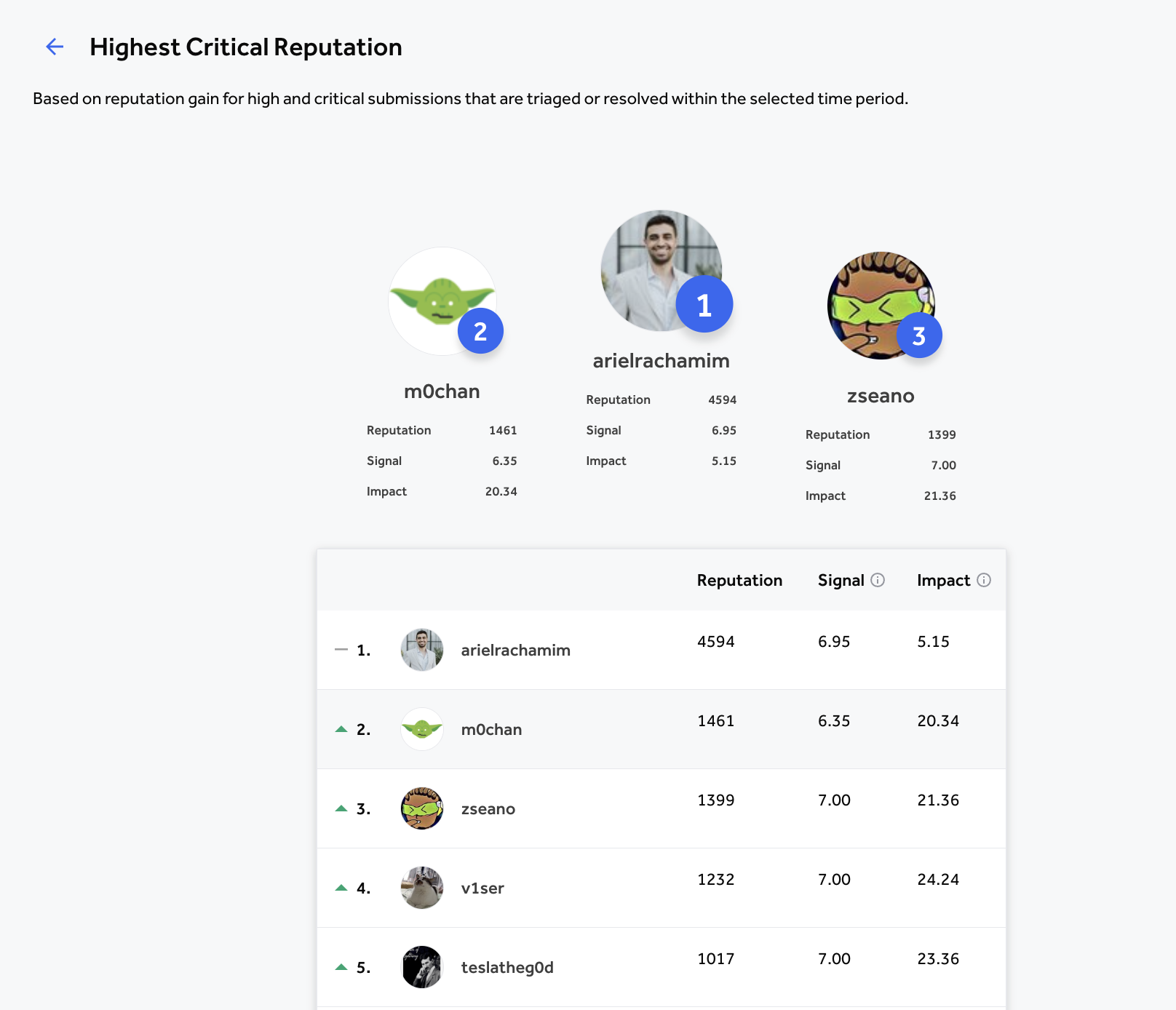
Instead of viewing ethical hackers as a risk factor, think of them as an extension of your cybersecurity team, amplifying your efforts and providing fresh outside-in perspectives critical to your security strategy.
Myth #2: "We Can Handle All This In-House"
Reality: Internal efforts are crucial, but they can't catch everything.
It’s tempting to believe dedicated teams and automated scanning tools can address all cybersecurity needs. But the numbers tell a different story: more than 500,000 confirmed vulnerabilities have been discovered on the HackerOne Platform to date, of which almost 10% score as critical severity. That’s the power of pooling global expertise.
Security threats are dynamic and multifaceted. Internal teams are often bogged down with existing workloads, while automated tools are limited to what they’re programmed to detect. Crowdsourced security bridges the gaps by enlisting diverse perspectives from security researchers worldwide. These researchers specialize in identifying creative attack vectors, often the ones internal tools overlook.
Security researchers help turn blind spots into breakthroughs, enabling you to see threats before they become incidents.
Myth #3: "We’re Not Ready"
Reality: You don’t need perfection to start. Just the willingness to adapt and grow.
One of the most common reasons organizations hesitate to embrace crowdsourced security is the belief that they’re not ready. But “not ready” often means something more specific:
They’re struggling to keep up with validating the flood of vulnerabilities from automated scanners, and/or
They’re already sitting on a large backlog of known but unresolved vulnerabilities.
Here’s the truth: Crowdsourced security doesn’t add to the noise, it helps you focus. Unlike automated scanners, which often surface false positives or vulnerabilities of uncertain impact, security researchers simulate real-world attacks and report only what’s exploitable from the outside. That means you get clear insight into what an attacker could actually find and exploit, so you can prioritize what truly matters.
You don’t need a perfect system or a clean slate to get started. Many successful programs begin with a focused vulnerability disclosure program (VDP) and scale gradually. Crowdsourced insights bring clarity to chaos, helping overwhelmed security teams triage, validate, and take meaningful action.
Overcome Perceptions to Amplify Your Security
Misconceptions about crowdsourced security not only misrepresent its value, but they also limit organizations from reaping its vast strategic benefits:
- Security researchers are not risks, they’re partners in resilience.
- In-house efforts alone are invaluable but insufficient.
- And readiness isn’t a prerequisite, it comes through an intentional start.
When approached strategically, crowdsourced security programs improve not only your defenses but also how your teams think about and prioritize risk.
Contact HackerOne to explore the possibilities, and start building your organization’s best line of defense.
What separates the highest-performing CISOs from the rest?
Our latest report reveals these leaders' four offensive security strategies, and five recommendations to guide CISOs beyond common barriers to the full value of crowdsourced security. Dive in to see what leaders are doing differently and how to follow their lead for the greatest crowdsourced security impacts.